

10 Best Foods for Low-Carb Weight Loss
You’re interested in losing weight, and the idea of a low-carb diet has caught your attention. However, navigating the world of low-carb eating can feel overwhelming. What exactly should you be eating to maximize your results and maintain good health? It’s easy to get lost in the conflicting information out there. Does this sound familiar?
If so, you’re in the right place. This guide will cut through the confusion and highlight the best foods for successful low-carb weight loss. We will focus on the most effective and nutritious options to help you shed pounds while feeling great along the way.
The principle behind low-carb diets for weight loss is straightforward: by significantly reducing your intake of carbohydrates, you encourage your body to stabilize blood sugar levels and use its fat stores for energy. This metabolic shift can lead to effective and sustainable weight loss for many individuals.
However, it’s essential to understand that simply cutting carbs isn’t enough. The quality of the low-carb foods you choose is critical to your success, satiety, and overall health. Our goal is not just about being “low-carb”; it’s about nourishing your body with the right low-carb choices.
In this comprehensive guide, we’ll explore the best food choices across various categories—from vibrant vegetables to satisfying proteins and healthy fats—that can effectively support your low-carb weight loss efforts. You’ll gain a clear understanding of what to prioritize on your plate for optimal results.
What Defines a Food as “Low-Carb and Weight-Loss Friendly”?
Great question—especially when you’re trying to eat with intention and not just follow labels. A food earns the title of “low-carb and weight-loss friendly” when it checks off more than just the low-carb box. Here’s what to look for:
Key Qualities of a Low-Carb, Weight-Loss-Friendly Food
| Criteria | What It Means | Example Food |
|---|---|---|
| Low in Net Carbs | Net carbs = total carbs − fiber. Keeps insulin low and fat-burning active | Zucchini, Avocado |
| High Satiety Value | Protein, fiber, and/or fat that helps you feel full and satisfied | Eggs, Chia Seeds |
| Nutrient-Dense | Rich in vitamins, minerals, and antioxidants, not just low in calories | Spinach, Salmon |
| Blood Sugar Stabilizing | Won’t spike insulin or cause a crash (helps prevent cravings) | Greek Yogurt (unsweetened), Nuts |
| Whole Food-Based | Naturally occurring foods over ultra-processed alternatives | Chicken Breast, Cauliflower |
| Versatile & Sustainable | Easy to prepare, fits into daily meals, and enjoyable to eat regularly | Cottage Cheese, Olive Oil |
Superfood Signals: Extra Traits That Support Weight Loss
- Anti-inflammatory properties (such as omega-3s found in fatty fish)
- Supports gut health (including fiber and probiotics)
- Hydration-friendly options (like cucumbers and bone broth)
Think of these foods as “metabolic allies”—not just something to fill your stomach, but something that tells your body we’re eating smart today.
Benefits of a Low-Carb Diet for Weight Loss
1. Accelerated Fat Burning
Lowering carb intake reduces insulin levels, which allows your body to access stored fat for fuel. This metabolic shift encourages more consistent fat loss, especially around the belly area.
2. Appetite Control:
A higher intake of protein and healthy fats helps keep you feeling full for longer periods.
3. Stable Blood Sugar & Energy
Without the frequent spikes and crashes caused by high-carb meals, blood sugar stays more stable. This leads to:
- Fewer cravings
- More consistent energy
- Better mood and focus
4. Mental Clarity and Focus
Once your body adapts, ketones (produced when carbs are low) become a powerful fuel for the brain, resulting in less brain fog, steadier concentration, and improved mental performance.
5. Rapid Water Weight Loss (Early Stage)
Glycogen (stored carbs) holds water. When carbs are reduced:
- Glycogen is depleted
- Water weight drops
- You see early changes on the scale, which can boost motivation
6. Improved Insulin Sensitivity
Low-carb eating helps reduce insulin resistance, which is common in people with stubborn fat or metabolic syndrome. This can improve how your body processes both carbs and fat over time.
7. More Whole Food Choices
Most successful low-carb diets focus on real, nutrient-dense foods like lean proteins, leafy greens, nuts, and healthy oils, leading to better overall nutrition compared to highly processed diets.
The Top 10 Low-Carb Weight Loss Foods
1. Eggs – Small but Mighty
What’s inside one egg?
- About 6 grams of protein (to help keep muscle while losing weight)
- Only 0.5 grams of carbs (super low!)
- Loaded with B12, choline (great for brain and liver), and powerful antioxidants
Why Eggs Help You Lose Fat
- They make you feel full for hours, later on
- The protein helps your body burn calories more efficiently
- Since they’re low in carbs, they keep your blood sugar stable and insulin low (which helps with fat burning)
Easy Ways to Eat Them
- Boiled for a quick snack on the go
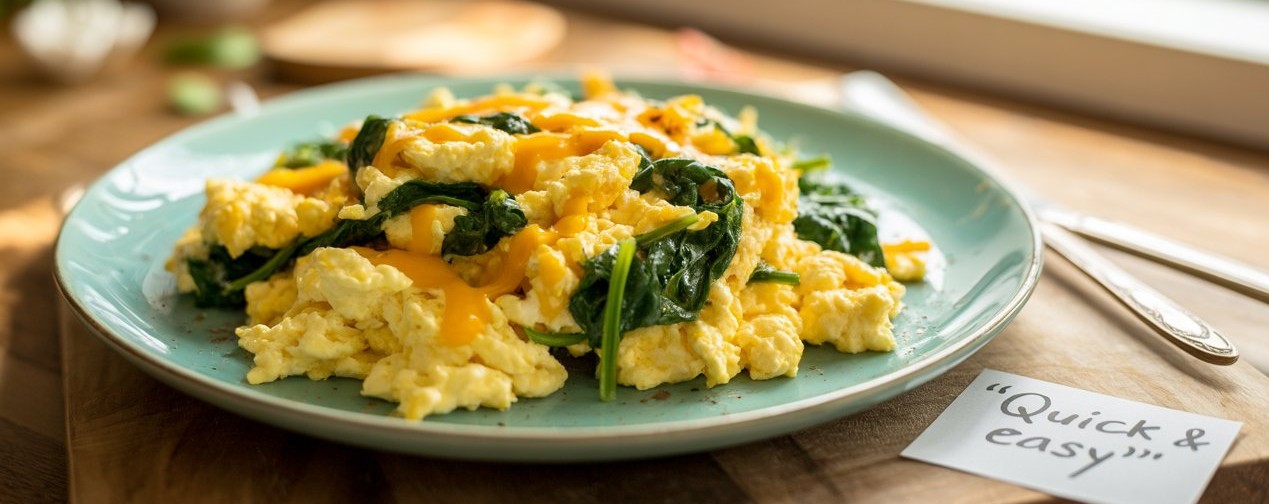
- Scrambled with spinach or cheese for a filling breakfast
- Baked into egg muffins for meal prep
In short, eggs are inexpensive, satisfying, and help your body stay in fat-burning mode—that’s a win-win-win.
2. Avocados – The Creamy Fat-Loss Hero
Avocados aren’t just trendy—they’re a nutritional powerhouse tailor-made for low-carb fat loss. Half an avocado contains around:
- 13g of healthy fats (mostly monounsaturated)
- Only 2g net carbs
- Plus potassium, magnesium, and fiber
Why Avocados Boost Fat Loss
- Keeps you full longer: The mix of fat and fiber slows digestion, meaning fewer cravings and less snacking
- Stabilizes blood sugar: Low net carbs and healthy fats keep insulin levels steady
- Supports hormone balance: Their fats help regulate appetite hormones like leptin and ghrelin
- Reduces belly bloat: Potassium helps fight water retention, making you feel leaner
They’re beneficial for women on keto or low-carb plans who need steady energy and hormonal support.
Easy Ways to Enjoy Avocados
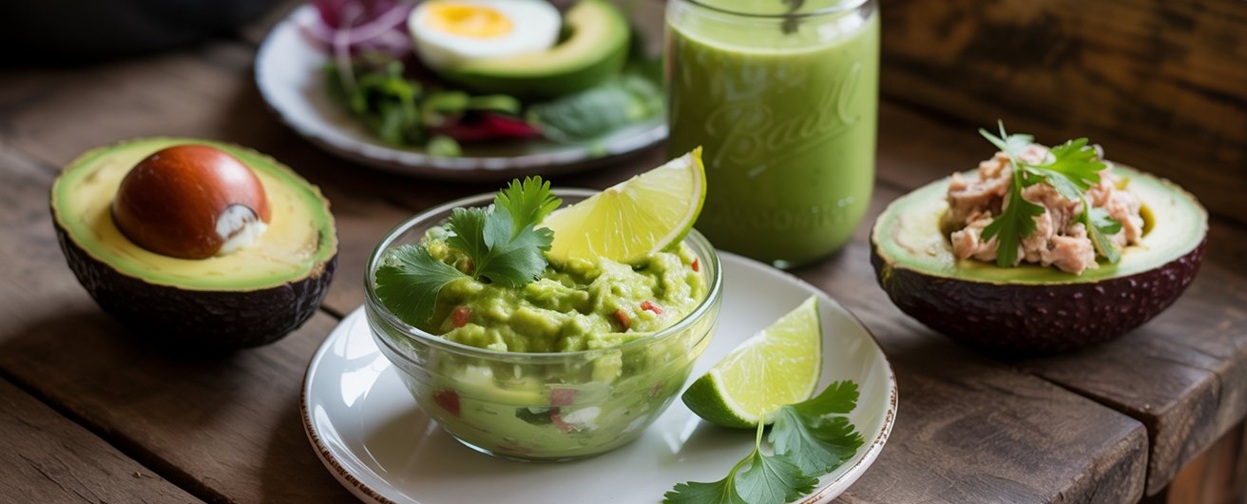
- Mashed into guacamole with lime and herbs
- Sliced over salads, eggs, or grilled meats
- Blended into smoothies for a creamy texture without dairy
- Stuffed with tuna or chicken salad for a low-carb lunch
In short, avocados are the ultimate fat that fights fat—nutrient-rich, satisfying, and endlessly versatile. Want a quick avocado meal pack or prep hacks for busy days? I can whip one up for your audience!
3. Salmon (or Fatty Fish) – The Fat-Loss Fuel That Loves Your Heart
Salmon isn’t just delicious—it’s one of the most powerful proteins you can add to a low-carb diet. In just 100g, you’re getting:
- ~20g of lean protein
- 0g carbs
- A generous dose of omega-3 fatty acids and vitamin D
Why Salmon Supports Fat Loss
- Protein preserves lean muscle while encouraging fat loss
- Omega-3s enhance fat burning and support metabolic health
- Anti-inflammatory benefits help reduce bloating and water retention
- Vitamin D supports hormonal balance, especially important for fat metabolism and mood regulation
It’s also ideal for women on keto or low-carb who need anti-inflammatory support without spiking insulin.
Easy Serving Ideas
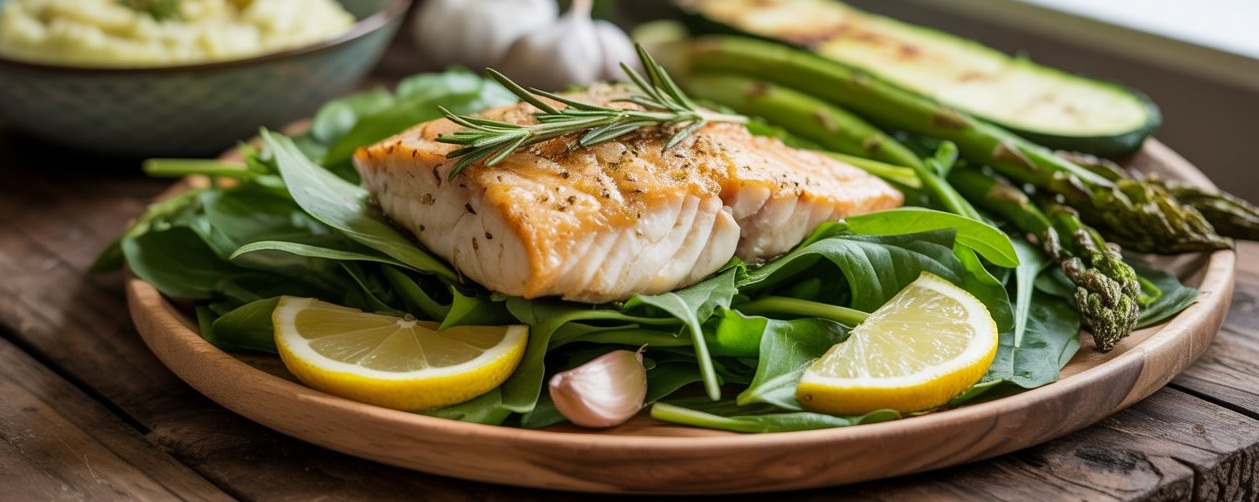
- Bake with lemon, garlic, and fresh herbs
- Grill asparagus or zucchini for a quick dinner
- Flake into leafy greens for a high-protein salad
- Pan-sear with butter and serve over cauliflower mash
Salmon is a triple threat: zero carbs, high nutrient density, and built-in fat-burning support. Want a simple 3-day meal rotation using salmon or other fatty fish? I can whip one up to match your goals and taste!
4. Leafy Greens – The Fiber-Filled Fat-Loss Boosters
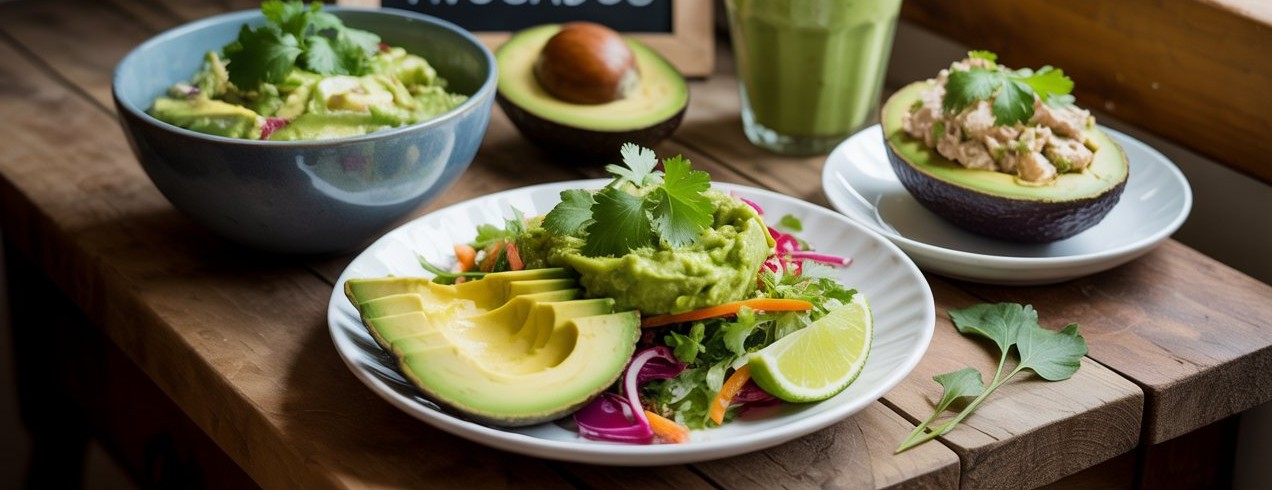
Leafy greens like spinach, kale, and arugula are some of the most nutrient-packed foods with barely any carbs, less than 1–2g net carbs per cup. They’re rich in:
- Fiber (keeps digestion smooth)
- Vitamin K (supports bone and cellular health)
- Magnesium (helps with mood, energy, and electrolyte balance)
Why Leafy Greens Work for Weight Loss
- Low-carb & low-calorie: You can eat large portions without affecting ketosis or calorie intake
- High volume = high satiety: They fill your plate and belly, helping you feel full with fewer calories
- Digestive support: The fiber helps with regularity and reduces bloat
- Micronutrient punch: Great for metabolism, detoxification, and hormonal balance
Bonus: Arugula has a peppery bite that can help curb cravings, and kale packs more minerals than most greens.
Quick and Tasty Ways to Use Them
- Toss into omelets with cheese and mushrooms
- Blend into smoothies with avocado or almond milk
- Build leafy salad bowls with olive oil, nuts, and grilled protein
- Sauté with garlic and ghee for a warm, comforting side
Leafy greens are the quiet overachievers of the keto plate—virtually no carbs, endless versatility, and powerful health perks. Want a “volume-eating” recipe pack or high-fiber meal prep guide next? I’m ready when you are!
5. Chicken Thighs or Breast – Your Go-To Lean Protein
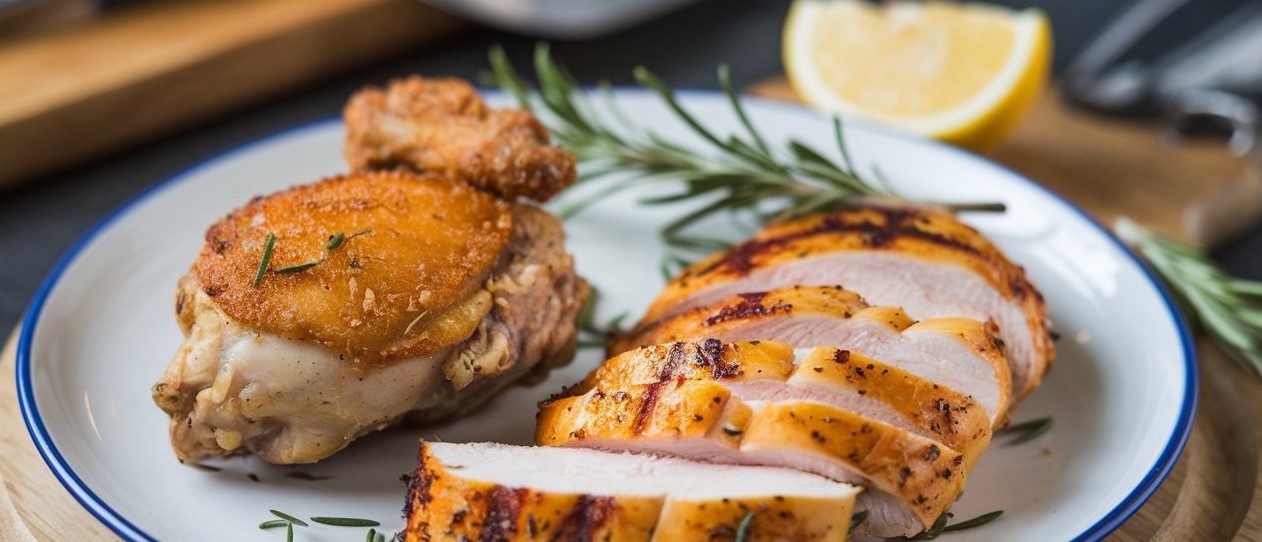
Chicken is a staple in low-carb and keto diets for a reason—it’s high in protein, has zero carbs, and is incredibly versatile. A 100g serving of chicken breast or thighs gives you:
- ~23–26g of protein
- 0g carbs
- Plus important nutrients like niacin (for energy production) and selenium (antioxidant support)
Why Chicken Supports Fat Loss
- Preserves lean muscle: Protein helps maintain muscle during fat loss, which boosts metabolism
- Keeps you satisfied: High satiety value means fewer cravings and snacking
- Thermic effect of protein: Your body burns more calories digesting protein than carbs or fat
- Metabolism-friendly nutrients: Niacin and selenium support thyroid and cellular energy
Whether you choose thighs (slightly higher in fat) or breast (leaner), you’re fueling results.
Quick & Easy Ways to Enjoy It
- Grill with herbs and olive oil for salad bowls
- Shred into lettuce wraps with avocado and salsa for a low-carb lunch
- Slow-cook with spices for juicy, tender meat to add to zucchini noodles or cauliflower mash
- Pan-sear with garlic butter for a high-protein, keto-friendly dinner
In short: chicken gives you all the muscle-supporting benefits with none of the carbs—and it’s one of the easiest proteins to prep ahead. Want help building a 3-day chicken-based meal rotation or spice rub ideas? I’m ready when you are!
6. Full-Fat Greek Yogurt – Craving Control with a Gut-Healthy Kick
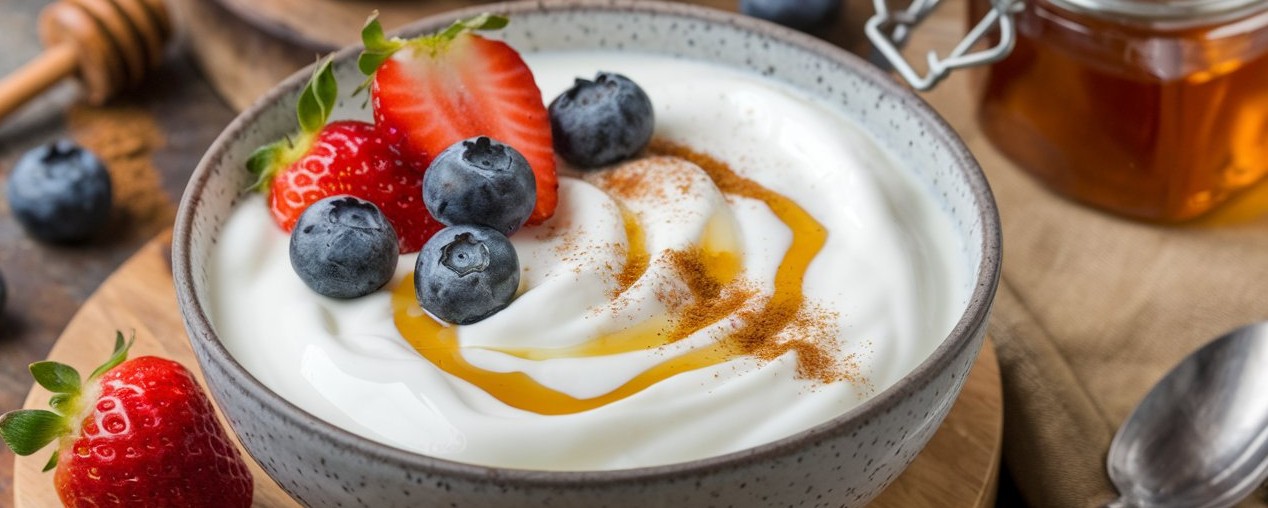
Full-fat Greek yogurt isn’t just creamy and delicious—it’s one of the most versatile low-carb foods that supports fat loss, digestion, and satisfaction. Per 100g, you’ll get:
- Around 10g of protein to keep you full
- Just 4–7g of carbs (check labels!)
- A boost of probiotics for gut health
- Calcium to support bones and metabolism
Why Greek Yogurt Works for Weight Loss
- Curb Cravings: The protein + fat combo provides lasting satiety—great for those sweet-tooth moments
- Gut Health Support: Probiotics help balance digestion and reduce bloating
- Low Carb, High Value: Compared to flavored yogurts, full-fat varieties are naturally low in sugar
- Hormone & Mood Friendly: Good gut health = better appetite regulation and even mood stability
Quick & Delicious Serving Ideas
- Top with chia seeds, walnuts, and a few raspberries for a nourishing snack
- Swirl with almond or peanut butter for a dessert-like treat
- Use as a base for savory sauces or dips (like tzatziki!)
- Freeze into popsicles with vanilla and cinnamon for keto-friendly indulgence
In short, full-fat Greek yogurt satisfies your hunger, soothes your stomach, and keeps your nutrition on point. Want to bundle this into a sweet-and-savory yogurt bowl recipe pack? I’d be happy to whip one up just for you!
7. Nuts & Seeds – Small Snacks with Big Fat-Burning Power
Nuts and seeds may be bite-sized, but they’re packed with nutrients that support long-term weight loss and metabolic health. Some of the most powerful picks include almonds, chia seeds, and flaxseeds.
Per serving (~28g):
- Net carbs: Varies—~1–5g depending on the type
- Healthy fats: Monounsaturated and omega-3s
- Protein: ~4–7g
- Fiber: Especially high in chia and flax
Why They Support Fat Loss
- Healthy fats = lasting fullness: Fats trigger satiety hormones and slow digestion
- Fiber keeps hunger away: Soluble fiber expands in your stomach, curbing cravings
- Stable blood sugar: Minimal impact on glucose levels helps regulate appetite
- Metabolic support: Omega-3s in flax and chia help fight inflammation and improve fat metabolism
They’re perfect for curbing between-meal hunger and keeping energy stable.
Quick & Easy Ways to Use Them
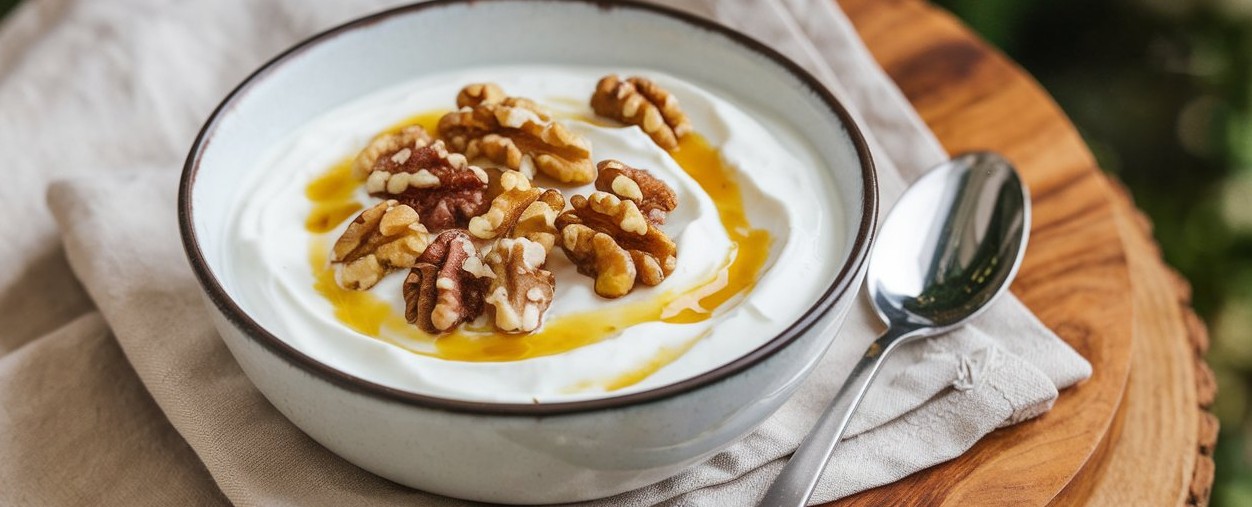
- Sprinkle over Greek yogurt, salads, or cottage cheese
- Blend into smoothies or keto shakes for texture and creaminess
- Make chia pudding with almond milk and cinnamon
- Toss a handful of almonds into your lunchbox for on-the-go snacking
- Use flaxseed meal in low-carb baking or as an egg replacement
Nuts and seeds are your portable powerhouse—easy to prep, satisfying to eat, and full of fat-burning fuel. Want help creating a snack pack or building portion-control tips for these nutrient bombs? I’ve got ideas that’ll fit your meal plan perfectly.
8. Non-Starchy Veggies – The Low-Carb Volume Heroes
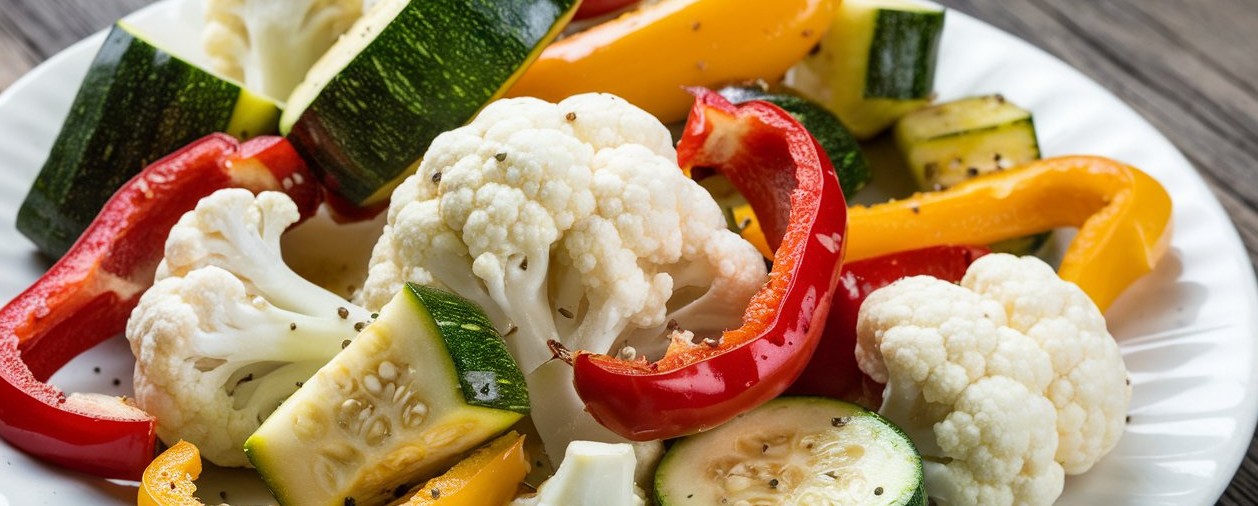
Non-starchy vegetables like zucchini, cauliflower, and bell peppers are absolute game changers for anyone on a low-carb journey. They deliver crunch, flavor, and nutrients without sabotaging your carb count.
Per cup (≈100g):
- Only ~2–5g net carbs
- Packed with fiber, vitamin C, antioxidants, and hydration
Why They Help With Fat Loss
- Volume eating magic: You can load up your plate, feel full, and stay well within your carb range
- Low energy density: Big portions, low calories = satiety without overeating
- Fiber-rich: Keeps digestion smooth, balances blood sugar, and fights bloating
- Antioxidants + hydration: Reduce inflammation and support metabolic health
These veggies also make fantastic food swaps for higher-carb staples like pasta, rice, or potatoes—making fat loss feel way less restrictive.
Quick & Delicious Serving Ideas
- Zoodle pasta: Spiralized zucchini tossed with pesto or grilled chicken
- Cauliflower mash: Steam and blend with garlic, butter, and sea salt for a creamy side
- Bell pepper bowls: Slice and fill with guac, tuna salad, or eggs for a colorful lunch
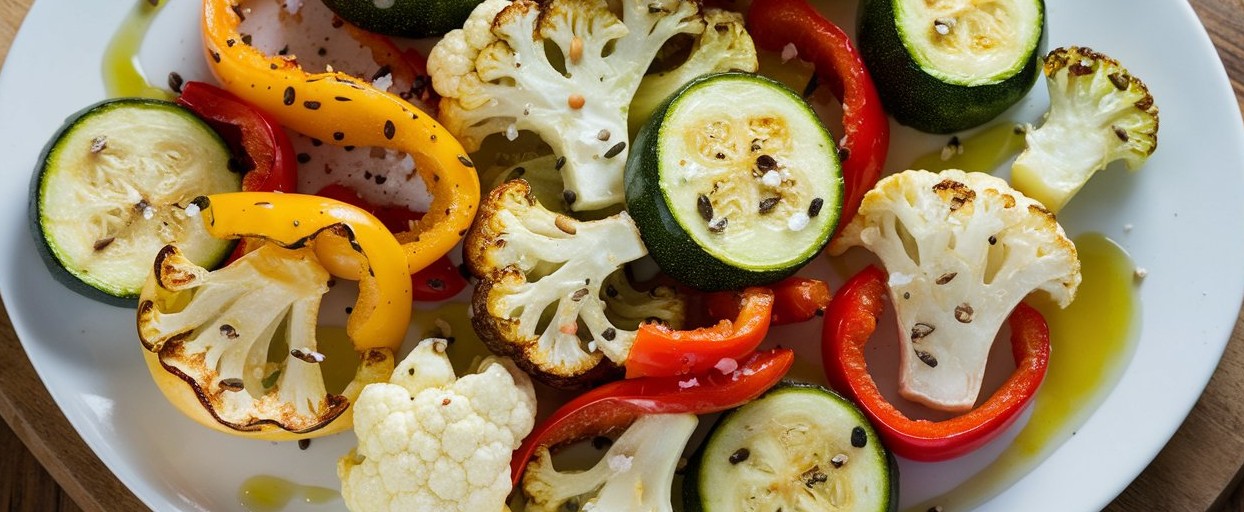
- Roasted veggie tray: Mix zucchini, cauliflower, and peppers with olive oil and herbs
Non-starchy veggies are your secret weapon for staying full, happy, and light on carbs. Want help putting together a veggie-swap recipe guide or prepping these in batches? I’ve got loads of ideas to make meal planning simpler and more exciting.
9. Olive Oil – The Flavor-Boosting Fat That Works For You
Olive oil is more than just a cooking staple—it’s a metabolic ally that adds richness and deep nourishment to your low-carb meals. One tablespoon delivers:
- 14g of healthy fat (mostly monounsaturated, great for heart and hormone health)
- 0g carbs
- A potent dose of polyphenols, which fight inflammation and boost cellular function
Why Olive Oil Helps With Fat Loss
- Promotes fullness: The fat slows digestion, helping you feel satisfied longer
- Supports hormone health: Fats are essential for balanced hormone production, key for appetite, metabolism, and mood
- Improves nutrient absorption: Helps your body absorb fat-soluble vitamins like A, D, E, and K
- Anti-inflammatory: Polyphenols in extra virgin olive oil help reduce oxidative stress and support fat-burning
This is one of the few oils that’s both healing and flavor-enhancing—great for women focusing on hormone balance or anyone easing into fat-adapted eating.
Quick & Flavorful Ways to Use Olive Oil
- Drizzle over salads with lemon or apple cider vinegar
- Roast veggies like cauliflower or bell peppers tossed in olive oil and spices
- Sauté protein (chicken, salmon, tofu) with garlic and herbs
- Finish dishes with a splash of cold-pressed oil for a silky texture and added nutrients
Olive oil is your kitchen MVP—versatile, delicious, and deeply nourishing. Want help crafting flavor-packed dressings or pairing oils with herbs and proteins for max benefit? I’ve got some delicious combinations ready to go.
10. Cottage Cheese or Tofu – Plant-Powered Protein with Fat-Burning Benefits
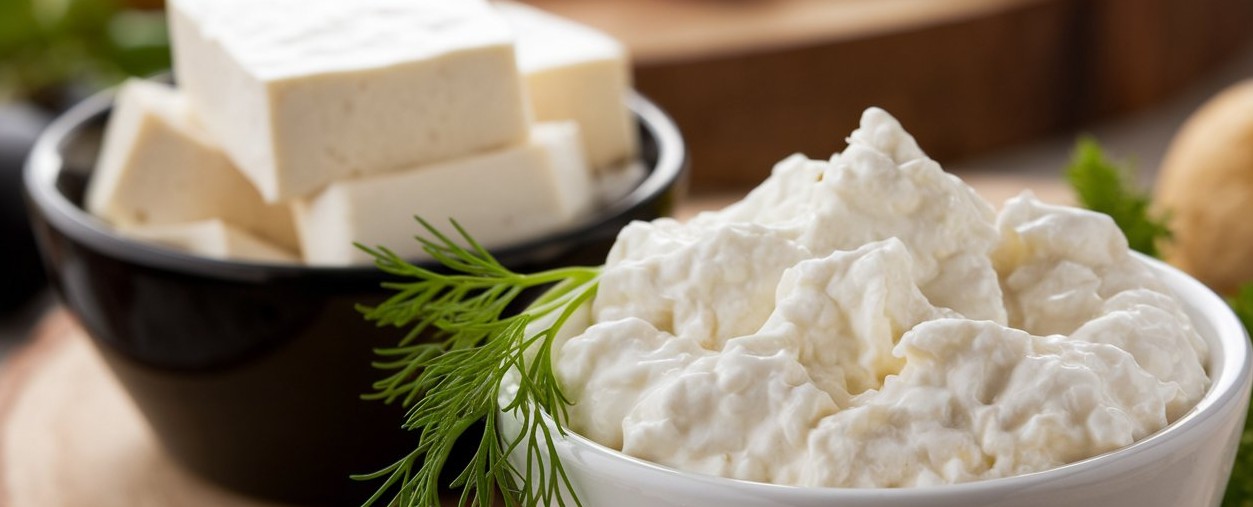
Whether you’re a vegetarian or just looking to mix things up, cottage cheese and tofu offer a low-carb way to support muscle and satisfy hunger without the heaviness.
Per serving (≈100g):
- ~12–14g of protein
- Only 3–6g carbs
- Plus key nutrients like calcium, selenium, and iron (especially in tofu)
Why They Work for Fat Loss
- Lean protein support: Helps maintain lean muscle mass, which keeps metabolism running strong
- Low-carb fuel: Keeps insulin low and supports steady fat burning
- Great for vegetarians: An Easy source of protein without relying on meat or eggs
- Easy on calories: Ideal for light meals, snacks, or filling add-ons
Cottage cheese is rich in casein—a slow-digesting protein—while tofu offers all nine essential amino acids, making both great for recovery and satiety.
Smart Ways to Eat Them
- Mix cottage cheese with herbs, chopped cucumber, and pink salt for a savory snack
- Top with cinnamon, chopped nuts, or berries for a sweet, high-protein breakfast
- Stir-fry tofu with garlic, sesame oil, and bok choy for a low-carb lunch
- Blend tofu into smoothies or bake it into grain-free pancakes as a protein boost
These options prove that low-carb living doesn’t have to be meat-heavy—you can nourish your body and hit your goals with plant-forward choices, too. Want help putting together a high-protein vegetarian meal plan or snack sheet? I’ve got plenty of tasty ideas ready to roll.
Bonus Tips for Low-Carb Success
So you’ve stocked your kitchen with low-carb staples—now let’s make sure you’re maximizing your results and avoiding common pitfalls. These bonus tips can make all the difference between feeling sluggish and feeling unstoppable on your low-carb journey:
1. Watch for Hidden Sugars
Just because a product says “low-carb” doesn’t mean it’s keto-safe or sugar-free.
Hidden culprits:
- Store-bought sauces (BBQ, ketchup, teriyaki)
- Salad dressings and marinades
- Packaged “keto” bars and drinks
✅ Always read ingredient labels. Look out for honey, maltodextrin, dextrose, and sneaky starches.
2. Prioritize Whole Foods Over Packaged Snacks
Yes, there are tons of low-carb chips, cookies, and protein bars—but they’re often ultra-processed and can derail progress if overused.
Instead:
- Build your meals from fresh veggies, high-quality proteins, and healthy fats
- Use processed snacks as occasional back-ups, not daily staples
Whole foods don’t just fuel fat loss better—they improve your gut health, energy, and mindset.
3. Stay Hydrated and Electrolyte Balanced
Low-carb eating causes you to flush out excess water and minerals, which can lead to fatigue, headaches, or cramps.
Stay ahead of it by:
- Drinking 2.5–3 liters of water daily
- Adding electrolytes:
- Sodium: pink salt or broth
- Potassium: avocado, spinach
- Magnesium: chia seeds, almonds, or a supplement
✨ Staying hydrated isn’t just about water—it’s about keeping your mineral balance in check.
Conclusion: Build Your Plate with Purpose
Going low-carb isn’t about restriction—it’s about strategic nourishment. The truth is, you can still enjoy satisfying meals that are full of flavor, texture, and variety without relying on starchy fillers or sugar-laden snacks.
By choosing nutrient-dense, low-carb foods that keep you full and energized, you’re not just losing weight—you’re building a body that runs more efficiently, feels more balanced, and performs better day by day.
Mix and Match Your Way to Success
The best part? Low-carb doesn’t mean limited. Eggs, leafy greens, avocado, salmon, and cauliflower rice are just the beginning. With a little creativity, your plate can be:
- Colorful
- Crave-worthy
- And completely aligned with your fat-loss goals
Think of your plate as a toolkit, not a template. Switch it up, have fun, and listen to how your body responds.
Want to make it even easier?
Download your Low-Carb Grocery List or a 7-Day Meal Plan Template to kickstart your progress and take the guesswork out of your next grocery run.
You’re not just building meals—you’re building momentum. Let’s keep going 💪