

Top 5 Wireless Thermostats and Receivers
In today’s smart home landscape, thermostats have evolved significantly, offering increased convenience, efficiency, and automation. Among the different types, wireless thermostats and receivers play a crucial role in modern heating and cooling systems, allowing users to control their home’s temperature without the constraints of traditional wired setups.
While these two components work together, they serve distinct functions—wireless thermostats provide the user interface for temperature control, whereas receivers act as the link between the thermostat and the heating system. Understanding this distinction is essential for choosing the right setup for your home.
Additionally, when selecting a thermostat, it’s helpful to understand the differences between Smart Thermostats, Wi-Fi Thermostats, and Wireless Thermostats. Smart thermostats use AI-driven learning to optimize energy use, Wi-Fi thermostats allow remote app control but may not be as intuitive, and wireless thermostats operate via RF or Zigbee technology, removing the dependency on Wi-Fi altogether.
This guide explores the top five brands that offer wireless thermostats and receivers, helping you navigate the best options for your home heating system. Let’s dive in!
Understanding Wireless Thermostats and Receivers
What is a Wireless Thermostat?
A wireless thermostat is a temperature control device that does not require direct wiring to the heating or cooling system. Instead, it operates using RF (Radio Frequency), Zigbee, or Z-Wave technology, enabling remote communication with the HVAC system. Unlike Wi-Fi thermostats, wireless thermostats do not depend on an internet connection, making them ideal for reliable temperature control without network-related issues.
What is a Receiver?
A receiver is a separate component that works alongside a wireless thermostat. Its primary function is to receive signals from the thermostat and then transmit commands to the HVAC system to adjust heating or cooling settings accordingly. Receivers act as an intermediary between the thermostat and the heating system, ensuring proper functionality.
How They Work Together
- The wireless thermostat detects temperature changes and allows users to set preferences.
- The thermostat sends signals wirelessly to the receiver.
- The receiver processes the signal and communicates with the HVAC system.
- The heating or cooling system adjusts temperature based on received instructions.
Why a Receiver is Necessary for a Wireless Thermostat
A wireless thermostat alone cannot directly control most HVAC systems, as traditional heating units require a direct connection. The receiver acts as the communication bridge, ensuring that commands from the thermostat reach the heating or cooling unit properly. Without a receiver, wireless thermostats wouldn’t function efficiently with conventional HVAC systems.
Differences Between Smart Thermostats, Wi-Fi Thermostats, and Wireless Thermostats
Smart Thermostats
Smart thermostats are the most advanced option, using AI-driven learning to adjust temperature settings based on user behavior. They optimize energy usage by learning preferences over time, creating automated heating and cooling schedules. Some models feature geofencing, ensuring the system reacts when users leave or return home.
🔹 Key Features:
- AI-powered automation for energy efficiency.
- Adaptive learning to create personalized heating/cooling schedules.
- Compatible with smart home ecosystems.
- Voice control support via Google Assistant, Alexa, or Apple HomeKit.
🔹 Examples:
✅ Google Nest Learning Thermostat (4th Gen)
✅ Ecobee Smart Thermostat Premium
Top 5 Smart Thermostats with Room Sensors
Wi-Fi Thermostats
Wi-Fi thermostats offer remote control via smartphone apps, allowing users to manage temperature settings from anywhere. Unlike smart thermostats, they don’t learn habits automatically but can be programmed for specific heating/cooling schedules. While convenient, they depend on a stable internet connection for full functionality.
🔹 Key Features:
- Remote access via mobile apps.
- Pre-set schedules for heating and cooling.
- Voice assistant integration for manual control.
- Limited automation compared to smart thermostats.
🔹 Examples:
✅ Honeywell T9 Wi-Fi Smart Thermostat
✅ Sensi Touch 2
Wireless Thermostats
Wireless thermostats function without internet dependency, using RF, Zigbee, or Z-Wave technology to communicate with receivers. Ideal for homes needing reliable heating control without Wi-Fi constraints, these thermostats often support simple schedules and manual adjustments.
🔹 Key Features:
- No internet needed—operates via wireless signals.
- Works with receivers to connect with HVAC systems.
- Standard scheduling without AI-driven automation.
- Reliable communication even in areas with weak Wi-Fi.
🔹 Examples:
✅ Hive Active Heating Wireless Thermostat
✅ Heatmiser NeoStat
Comparison Table: Features, Pros & Cons
| Thermostat Type | Features | Pros | Cons |
|---|---|---|---|
| Smart Thermostat | AI learning, automated energy-saving, and remote control | Energy-efficient, fully automated, voice assistant support | More expensive, requires internet |
| Wi-Fi Thermostat | Remote control, pre-set scheduling, app-based operation | Convenient remote access, easy setup, and affordable options | Requires stable Wi-Fi, lacks learning automation |
| Wireless Thermostat | RF/Zigbee/Z-Wave connectivity, manual scheduling | Reliable without Wi-Fi, simple, and effective | No AI automation, may need a receiver |
Top 5 Wireless Thermostats and Receivers
1. Honeywell Home Wireless Thermostat
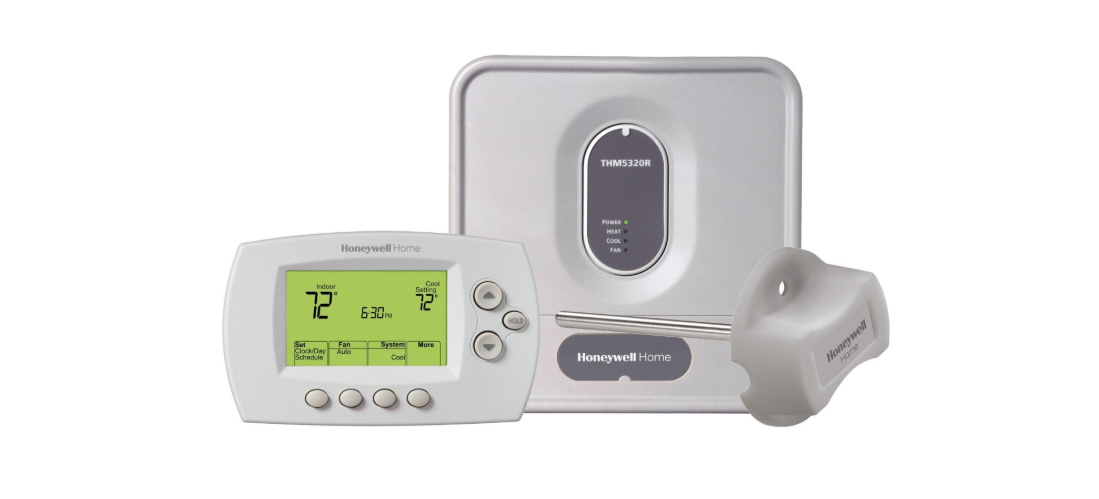
The Honeywell YTH6320R1001 is a wireless programmable thermostat designed for homes that require flexible installation without running new wires. It operates using RedLINK wireless technology, ensuring stable RF communication between the thermostat and the HVAC system. This model is part of Honeywell’s FocusPRO 6000 series, known for its reliability and ease of use.
Receiver: RedLINK Enabled Wireless Receiver
The RedLINK Enabled Wireless Receiver acts as the bridge between the thermostat and the HVAC system. It ensures seamless communication, allowing the thermostat to send temperature adjustments wirelessly. The receiver is essential for the system to function, as the thermostat alone cannot directly control the heating or cooling unit.
🔹 Pros
✅ Reliable RF Connectivity for Stable Communication
- Uses RedLINK wireless technology, which ensures strong signal transmission without interference from other wireless devices in the home.
- Ideal for homes where running new thermostat wires is impractical.
✅ Works Seamlessly with Honeywell’s Smart Home Ecosystem
- Compatible with Honeywell’s Total Connect Comfort app when paired with a RedLINK Internet Gateway.
- Can integrate with Honeywell’s Portable Comfort Control and Wireless Outdoor Sensor for enhanced functionality.
✅ Energy-Efficient Scheduling Features
- Supports programmable scheduling, allowing users to set heating and cooling cycles for optimal energy savings.
- Works with dual-fuel systems, ensuring efficient energy use based on outdoor temperature conditions.
🔹 Cons
❌ Requires a Honeywell-Specific Receiver for Functionality
- The thermostat cannot function independently—it must be paired with a RedLINK receiver to communicate with the HVAC system.
- Users must ensure compatibility with their existing heating and cooling setup before purchasing.
❌ Lacks Built-In Wi-Fi for App-Based Control
- Unlike Wi-Fi thermostats, this model does not have direct internet connectivity.
- Remote access is only possible if paired with a RedLINK Internet Gateway, which is sold separately.
The Honeywell YTH6320R1001 is an excellent choice for homeowners looking for a wireless thermostat solution without the need for extensive wiring. Its RedLINK technology ensures stable communication, and its programmable scheduling helps optimize energy efficiency. However, users should be aware that Wi-Fi connectivity is not built-in, and a Honeywell-specific receiver is required for proper operation.
2. Ecobee Smart Thermostat Premium

The Ecobee Smart Thermostat Premium is a high-end wireless thermostat designed for energy efficiency, smart home integration, and precise temperature control. It comes with smart room sensors, allowing it to adjust heating and cooling based on occupancy and temperature variations in different rooms. This model is ideal for homeowners looking for advanced automation and voice control capabilities.
Receiver: Ecobee Receiver Module
The Ecobee Receiver Module ensures seamless communication between the thermostat and the HVAC system. It acts as the bridge that allows the thermostat to send commands wirelessly, ensuring accurate temperature adjustments and system responsiveness.
🔹 Pros
✅ Comes with Smart Room Sensors for Optimized Comfort
- The included room sensors detect occupancy and temperature variations, ensuring even heating and cooling throughout the home.
- Helps reduce energy waste by adjusting settings based on room usage.
✅ Supports Voice Control via Alexa & Google Assistant
- Fully compatible with Amazon Alexa, Google Assistant, and Apple HomeKit, allowing hands-free temperature adjustments.
- It can be integrated into smart home routines, making automation effortless.
✅ Advanced Energy-Saving Features
- Uses AI-driven optimization to reduce energy consumption while maintaining comfort.
- Provides detailed energy reports, helping users track and improve efficiency.
- Works with eco+ technology, which adapts to weather patterns and electricity rates for cost savings.
🔹 Cons
❌ Requires Professional Installation for Optimal Setup
- Due to its advanced wiring and receiver integration, professional installation is recommended for proper functionality.
- Some users may find the setup process complex compared to simpler wireless thermostats.
❌ Higher Price Compared to Basic Wireless Models
- The premium features and smart sensors make this thermostat more expensive than standard wireless models.
- While the long-term energy savings can offset the cost, the initial investment is higher.
The Ecobee Smart Thermostat Premium is an excellent choice for homeowners seeking intelligent climate control, voice integration, and energy efficiency. While it requires professional installation and comes at a higher price, its smart sensors, automation, and AI-driven optimization make it a top-tier option for modern homes.
3. Google Nest Learning Thermostat (4th Gen)
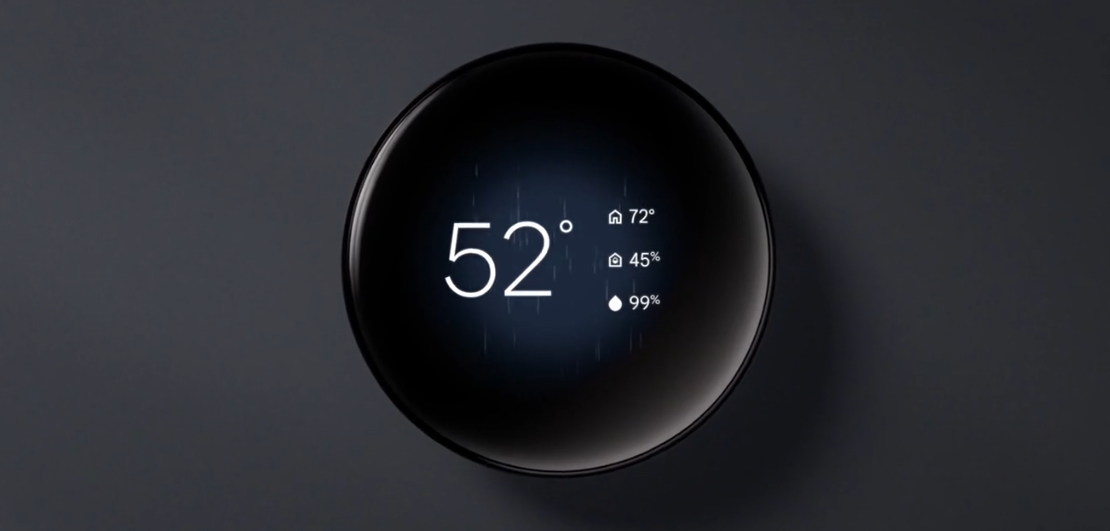
The Nest Learning Thermostat (4th Gen) is a premium smart thermostat designed to learn user preferences and automate temperature control for maximum energy efficiency. It uses AI-driven learning to create personalized heating and cooling schedules, reducing energy waste while maintaining comfort. The thermostat features a sleek, modern design with an intuitive display, making it a stylish and functional addition to any home.
Receiver: Nest Heat Link Receiver
The Nest Heat Link Receiver is essential for connecting the thermostat to boiler-based heating systems. It acts as the communication bridge, ensuring that the thermostat can send signals to adjust heating settings. Without the Heat Link, the Nest Learning Thermostat cannot directly control most traditional heating systems.
🔹 Pros
✅ AI-Driven Automation for Adaptive Temperature Control
- Uses machine learning to analyze user habits and create automated heating/cooling schedules.
- Adjusts temperature based on occupancy and weather conditions, optimizing energy use.
✅ Integrates with Google Home for Smart Automation
- Works seamlessly with Google Assistant, allowing voice control for temperature adjustments.
- Can be integrated into Google Home routines, enabling automated heating based on time of day or user activity.
✅ Sleek Design with Intuitive Display
- Features a high-resolution digital display with easy-to-read temperature settings.
- The rotating dial allows for quick manual adjustments, complementing its smart automation.
🔹 Cons
❌ Requires Heat Link Receiver for Boiler Compatibility
- Unlike some thermostats that connect directly to HVAC systems, the Nest Learning Thermostat needs the Heat Link receiver to function with boilers.
- Installation may require professional assistance, especially for complex heating setups.
❌ Higher Upfront Cost Compared to Standard Wireless Models
- The premium features and AI-driven automation make this thermostat more expensive than basic wireless models.
- While long-term energy savings can offset the cost, the initial investment is higher.
The Nest Learning Thermostat (4th Gen) is an excellent choice for homeowners looking for intelligent automation, energy efficiency, and seamless smart home integration. While it requires the Heat Link receiver for boiler compatibility and comes at a higher price, its AI-driven learning, sleek design, and Google Home integration make it a top-tier option for modern homes.
4. Siemens RDH100 Wireless Room Thermostat
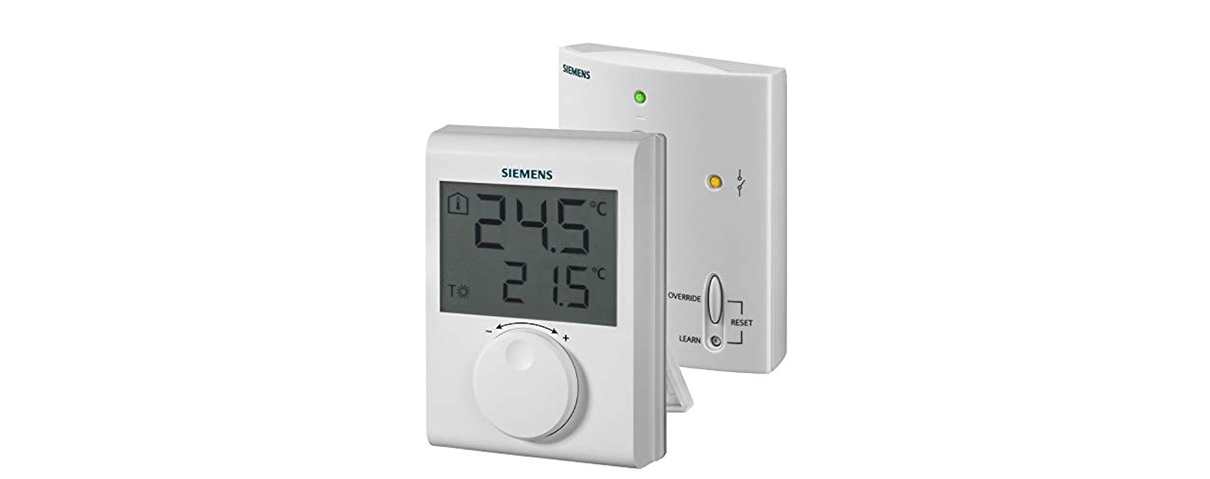
The Siemens RDH100 Wireless Room Thermostat is a straightforward and reliable wireless thermostat designed for basic heating systems. It operates using RF (Radio Frequency) communication, ensuring stable connectivity between the thermostat and the receiver. This model is ideal for homeowners who need simple temperature control without the complexity of smart automation or app-based features.
Receiver: Siemens Wireless Receiver
The Siemens Wireless Receiver is responsible for receiving signals from the RDH100 thermostat and transmitting commands to the heating system. It ensures accurate temperature adjustments and allows for manual override in case of communication issues.
🔹 Pros
✅ Simple Installation and User-Friendly Controls
- The RDH100 thermostat features an easy-to-use interface with a large LCD for clear temperature readings.
- Battery-powered transmitter allows flexible placement without requiring direct wiring.
- The receiver is mains-powered, ensuring consistent operation.
✅ Reliable Wireless RF Communication for HVAC Systems
- Uses 433 MHz RF technology, providing stable signal transmission between the thermostat and receiver.
- Works well in homes, offices, and schools, ensuring consistent heating control.
✅ Works Well for Basic Heating Systems
- Compatible with thermal valves, zone valves, combi boilers, gas or oil burners, and pumps.
- Supports 2-position and PID intelligent learning control, allowing users to choose between basic on/off control or adaptive heating.
🔹 Cons
❌ Limited Smart Features Compared to Nest or Ecobee
- Unlike Nest or Ecobee, this thermostat does not learn user preferences or adjust settings automatically.
- Lacks geofencing, voice control, or app-based scheduling.
❌ Lacks App-Based Control Options
- No Wi-Fi or Bluetooth connectivity, meaning users cannot control the thermostat remotely via a smartphone app.
- Adjustments must be made manually on the thermostat itself.
The Siemens RDH100 Wireless Room Thermostat is a solid choice for homeowners looking for basic, reliable heating control without smart automation. Its RF communication ensures stable performance, and its simple installation makes it a great option for those who prefer manual temperature adjustments. However, users seeking smart features or remote control may need to consider Wi-Fi or smart thermostats like Nest or Ecobee.
5. Salus RT310RF Wireless Thermostat
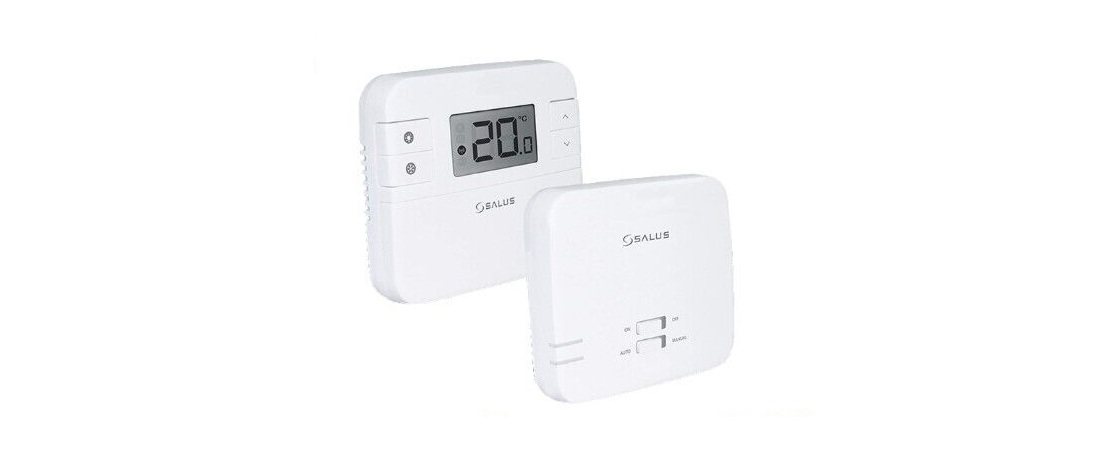
The Salus RT310RF Wireless Thermostat is a cost-effective and reliable option for homeowners looking for basic heating control without complex installation. It operates using RF (Radio Frequency) communication, ensuring stable connectivity between the thermostat and the receiver. This model is ideal for those who prefer manual programming over smart automation.
Receiver: Salus Wireless Receiver
The Salus Wireless Receiver is designed to receive signals from the RT310RF thermostat and transmit commands to the heating system. It ensures accurate temperature adjustments and allows for manual override if needed. The receiver is pre-paired with the thermostat, making installation straightforward.
🔹 Pros
✅ Affordable and Effective for Basic Heating Control
- Provides reliable temperature regulation without the need for Wi-Fi or smart home integration.
- Ideal for budget-conscious homeowners who need a simple heating solution.
✅ Strong RF Signal for Uninterrupted Communication
- Uses 868MHz RF technology, ensuring stable signal transmission between the thermostat and receiver.
- Works well in homes, offices, and rental properties, maintaining consistent heating control.
✅ Easy-to-Use Interface with Manual Programming
- Features a large LCD for clear temperature readings.
- Supports manual scheduling, allowing users to set heating preferences without relying on automation.
🔹 Cons
❌ No Smart Home Integration Features
- Unlike Nest or Ecobee, this thermostat does not support voice control or app-based adjustments.
- Cannot be integrated into Google Home, Alexa, or Apple HomeKit.
❌ Lacks Learning Automation Capabilities
- Does not learn user preferences or adjust settings automatically.
- Users must manually program heating schedules for optimal efficiency.
The Salus RT310RF Wireless Thermostat is a solid choice for homeowners looking for basic, reliable heating control without smart automation. Its strong RF communication ensures stable performance, and its manual programming makes it a great option for those who prefer straightforward temperature adjustments. However, users seeking smart features or remote control may need to consider Wi-Fi or smart thermostats like Nest or Ecobee.
FAQ
Q: Does a wireless thermostat need a receiver?
Yes, most wireless thermostats require a receiver to communicate with the HVAC system. The thermostat sends signals wirelessly, and the receiver interprets them to activate or adjust heating and cooling functions. Without a receiver, the wireless thermostat couldn’t control the system effectively.
Q: Are there thermostats that don’t require wiring?
Yes, some thermostats operate without direct wiring to the HVAC system. Battery-powered thermostats and plug-in smart thermostats can function independently without hardwired connections. However, they may need a hub or receiver for proper HVAC system integration.
Q: How do you connect a wireless thermostat to a receiver?
- Install the receiver near the HVAC system and wire it according to the manufacturer’s instructions.
- Power on the receiver and the wireless thermostat.
- Pair the thermostat with the receiver using the system’s designated frequency or pairing mode.
- Test the connection by adjusting the thermostat settings and ensuring the HVAC system responds accordingly.
Q: Can you replace a wired thermostat with a wireless thermostat?
Yes, but it requires proper receiver installation. Wired thermostats are directly connected to the HVAC system, whereas wireless thermostats rely on radio signals. To replace a wired thermostat, install a compatible receiver to ensure communication with the heating and cooling system.
Q: Is it worth getting a wireless thermostat?
Wireless thermostats offer flexibility and ease of installation since they don’t need complex wiring. They are great for homes where running additional wires is impractical. However, they may have limited smart features compared to Wi-Fi or smart thermostats.
Q: What do you use a wireless receiver for?
A wireless receiver interprets signals sent by a thermostat and controls the HVAC system accordingly. It enables communication between wireless thermostats and heating systems that otherwise require wired connections.
Q: Do I need an electrician to install a wireless thermostat?
It depends on the model. Some plug-and-play wireless thermostats are easy to install without professional help. However, if wiring changes or receiver installation are required, an electrician may be needed for a safe setup.
Q: Where is the best place to put a wireless thermostat?
For optimal performance:
✅ Place it away from direct sunlight and heat sources.
✅ Avoid positioning near vents, radiators, or drafty areas.
✅ Keep it centrally located in the house for accurate readings.
🏁 Final Thoughts
Throughout this guide, we’ve explored the essential differences between wireless thermostats and receivers, highlighting their distinct roles in home heating and cooling systems. We also compared Smart Thermostats, Wi-Fi Thermostats, and Wireless Thermostats, showing how each option suits different needs.
When choosing the right wireless thermostat and receiver, consider factors like compatibility with your HVAC system, wireless communication reliability, and installation ease. Whether you prefer Honeywell, Ecobee, Google Nest, Siemens, or Salus, each brand offers unique advantages tailored to different homes and budgets.
Ultimately, investing in the right thermostat setup ensures optimal temperature control, energy efficiency, and convenience. By understanding how these systems work and their benefits, you can make an informed decision to enhance your home’s comfort.